
What Is Colocation Hosting?
Colocation hosting is a service where businesses place their own physical servers in a third-party data center instead of keeping them on-site. You own the hardware. The data center provides the space, power, cooling, network connectivity, and physical security.
Think of it as renting a luxury garage for your high-performance car. You still own the car, but someone else handles the infrastructure that keeps it running smoothly.
Why Businesses Choose Colocation Hosting
Running servers in-house sounds appealing until the power outages, cooling failures, security risks, and spiraling maintenance costs show up. Colocation solves many of these headaches.
1. Enterprise-Grade Infrastructure Without the Price Tag
Building a private data center requires massive upfront investment. Colocation gives you access to redundant power, advanced cooling, and high-speed networks at a fraction of the cost.
2. Improved Reliability and Uptime
Professional data centers are designed to stay online. Backup generators, multiple power feeds, and carrier-neutral internet connections keep your servers running when office basements cannot.
3. Better Security
From biometric access controls to 24/7 surveillance, colocation facilities are built to protect hardware from both physical and digital threats.
4. Full Control Over Your Hardware
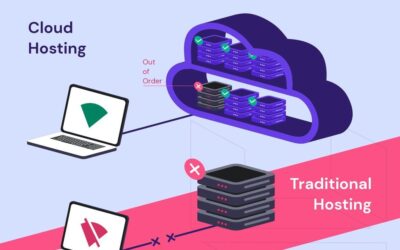
Unlike cloud hosting, colocation lets you choose your own servers, operating systems, and configurations. This is critical for compliance-heavy industries and performance-sensitive workloads.
How Colocation Hosting Works
- You purchase or already own servers and networking equipment
- The hardware is installed in a data center rack or private cage
- The provider supplies power, cooling, bandwidth, and monitoring
- You manage the server remotely or visit the facility when needed
It’s a partnership. You handle the technology. The data center handles the environment.
Colocation vs Cloud vs Dedicated Hosting
| Feature | Colocation | Cloud | Dedicated Hosting |
|---|---|---|---|
| Hardware Ownership | Yes | No | No |
| Scalability | Medium | High | Medium |
| Cost Control | High | Variable | Moderate |
| Customization | Very High | Limited | Moderate |
| Compliance | Excellent | Depends | Good |
Colocation sits in a sweet spot for businesses that want control without building their own facility.
Who Should Use Colocation Hosting?
Colocation is ideal for:
-
Growing businesses with predictable workloads
-
SaaS companies needing low-latency performance
-
Financial and healthcare organizations with compliance needs
-
Enterprises migrating from on-premise data centers
-
Companies running legacy applications not suited for the cloud
If your business relies on uptime and data control, colocation deserves serious consideration.
How Much Does Colocation Hosting Cost?
Pricing varies based on location, power usage, rack space, and bandwidth. Typical costs include:
-
Rack space or cabinet rental
-
Power consumption per kilowatt
-
Bandwidth usage
-
Remote hands support
While not the cheapest option upfront, colocation often delivers long-term savings compared to maintaining private infrastructure.
Key Things to know about Colocation Provider
-
Redundant power and cooling systems
-
Carrier-neutral connectivity
-
Strong physical security measures
-
Clear SLAs for uptime and support
-
Scalability options for future growth
Choosing the right facility matters just as much as choosing the right servers.
Final Thought
Colocation hosting is not outdated. It’s strategic.
For businesses that want stability, control, and predictable costs without sacrificing performance, colocation offers a balanced alternative to cloud and dedicated hosting. It quietly powers many of the world’s most reliable digital services, even if users never see it.
Sometimes, owning the engine but outsourcing the garage is the smartest move
Frequently Asked Questions
What is colocation hosting in simple terms?
Colocation hosting is when you place your own servers in a professional data center that provides power, cooling, security, and internet access.
Is colocation cheaper than cloud hosting?
It can be more cost-effective for long-term, stable workloads, especially when cloud usage costs grow unpredictably.
Who owns the hardware in colocation hosting?
You do. The data center only provides the physical environment and infrastructure.
Is colocation hosting secure?
Yes. Most facilities offer far stronger physical security than typical office environments.
Can small businesses use colocation hosting?
Absolutely. Many providers offer partial racks or shared cabinets suitable for small and mid-sized businesses.
Do I need IT staff for colocation hosting?
Yes, at least remotely. Some providers offer “remote hands” services for basic maintenance if needed.


0 Comments